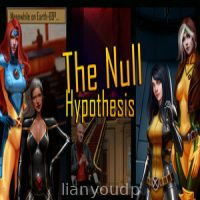
About The Null Hypothesis
Ever had that moment where you question every choice you made in a story game and wish you could go back and test a different outcome, like a real experiment? That curiosity sits at the core of The Null Hypothesis, a narrative-driven visual novel that treats your decisions like data points in a strange, human experiment.
Instead of rushing you from battle to battle, this game slows things down and lets conversations, quiet tension, and subtle details carry the weight. You read, you observe, you decide, and then you live with the consequences as the plot quietly shifts around you.
Whether you enjoy slowly peeling back a mystery or just want a thoughtful story to sink into on your phone, this one leans hard into mood, writing, and atmosphere over cheap jump scares or flashy effects.
The Null Hypothesis Game Features
1. Branching narrative structure: Choices you make at key points steer scenes, relationships, and eventual endings, giving each playthrough its own shape.
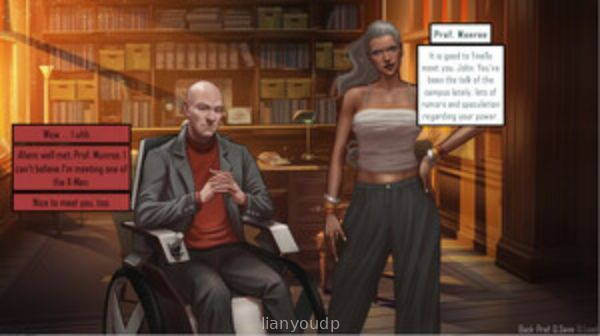
2. Character-focused storytelling: The game leans on dialogue and inner thoughts, letting you get to know the cast through subtle reactions instead of exposition dumps.
3. Multiple endings: Different narrative routes and conclusions reward replaying with fresh context and new information about earlier events.
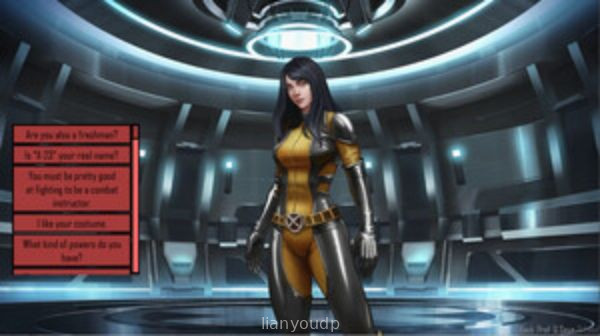
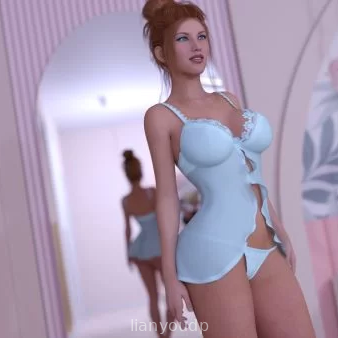
4. Minimalist visual style: Clean, focused visuals keep the spotlight on text, expressions, and mood rather than distracting interface clutter.
5. Save and resume system: You can drop in and out of the story, picking up exactly where you left off without losing your decision trail.
The Null Hypothesis Game Highlights
✨ Choice-driven tension - Every dialogue option feels like a small bet on what you think the truth might be, which keeps even quiet scenes feeling loaded.
📌 Subtle worldbuilding - Background details, offhand comments, and recurring motifs slowly sketch out a bigger picture without spelling everything out.
💡 Thoughtful pacing - The story takes its time, balancing slow-burn buildup with sharper, high-stakes moments that land harder because you know the characters.
🔒 Consequences that stick - Decisions are rarely labeled as good or bad, but their impact lingers in how people treat you and what information you gain or lose.
💎 Replay value - Returning to earlier chapters with new knowledge changes how you read familiar scenes, making second and third runs feel more like analysis than repetition.
The Null Hypothesis Gameplay
Reading key scenes -> You move through the story by reading dialogue and narration, paying attention to wording, tone, and small hints scattered through the text.
Making branching choices -> At decision points, you pick responses that reflect how you interpret events, shaping relationships and what the game reveals next.
Tracking character behavior -> You mentally note patterns in how characters react to you, using that as a guide for future choices and trust decisions.
Managing your curiosity -> You balance the urge to push for answers with the risk of closing off paths or making people defensive when you press too hard.
Revisiting earlier paths -> After one ending, you replay with a different mindset, testing new theories about motives and outcomes like a narrative experiment.
The Null Hypothesis Conclusion
The Null Hypothesis leans into the strengths of visual novels: careful writing, layered characters, and the quiet thrill of realizing that a small earlier choice just reshaped the story. It feels designed for players who enjoy thinking about cause and effect rather than racing for fast action.
As an Android visual novel, it works well in short sessions or longer reading marathons, and its branching paths give you a good reason to come back after the credits roll. For anyone who likes reflective, choice-driven stories with a slightly analytical edge, The Null Hypothesis stands out as a smart pick to add to your narrative game library.
Frequently Asked Questions
What kind of game is The Null Hypothesis?
Does The Null Hypothesis have multiple endings?
Can I play The Null Hypothesis in short sessions?
Screenshots






Reviews & Comments