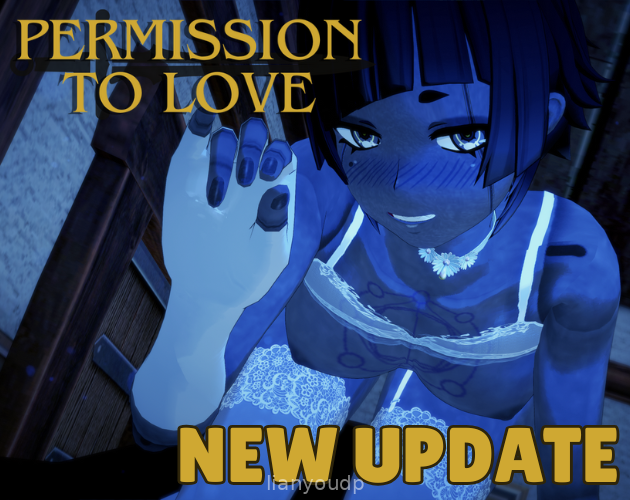
About Permission To Love
On a quiet evening with headphones on, a slow-burn romance story can feel more relaxing than any action title. Permission To Love leans into that mood, offering a text-heavy experience built around choices, character moments and gentle pacing rather than fast reflexes.
From the first few minutes, the focus sits on dialogue and small emotional beats. Background art, character sprites and music simply frame the story instead of fighting for attention, which makes it easy to settle in for longer reading sessions on a phone or tablet.
Permission To Love Game Features
Emotional choices -> Key moments ask you to pick dialogue or actions that shift relationships and influence later scenes.
Multiple romance paths -> Different characters can become the focus of your story depending on how you respond over time.
Branching narrative -> Story routes diverge, offering alternate scenes, endings and replay value for curious players.
Text-focused presentation -> Clean dialogue windows and readable fonts keep the emphasis on reading without visual clutter.
Lightweight performance -> Simple visuals and limited animation help the game run smoothly even on older Android devices.
Save and resume -> Progress can be saved so you can return to key scenes or continue the story in short bursts.
Permission To Love Game Highlights
Creates a relaxed, almost book-like pace that suits late-night sessions or quiet commutes.
Builds characters gradually, giving time for personalities and relationships to feel more natural.
Uses background art and music sparingly, so scenes support the writing instead of overwhelming it.
Offers replay potential by encouraging players to experiment with different dialogue tones and attitudes.
May feel slow for those expecting constant drama, and some scenes can run long before major decisions appear.
Occasional stretches of mostly text may test patience on very small screens or when playing in short bursts.
Permission To Love Gameplay
Reading drives nearly everything, with players advancing lines of dialogue and inner thoughts at their own pace.
Choice prompts appear at turning points, asking you to respond kindly, bluntly, playfully or cautiously depending on your preferred style.
Relationship dynamics shift in the background, so later scenes subtly reflect how supportive or distant you have been.
Sessions work well in chapters, letting you finish a scene, save, and pick up again later without feeling lost.
Longer sittings reveal how early decisions echo back in unexpected conversations or alternate story branches.
Touch controls stay minimal, usually requiring only taps, which keeps the focus firmly on the writing.
Permission To Love Conclusion
Permission To Love suits players who treat their phone like an e-reader and enjoy following a gentle romance at their own pace. The emphasis on text, choices and character growth makes it a good fit for fans of visual novels rather than action-driven games. Some stretches can feel slow and dialogue-heavy, but the trade-off is a more grounded, reflective story. For anyone wanting a quiet, choice-based romance you can return to over several evenings, it is an easy recommendation.
Frequently Asked Questions
What type of game is Permission To Love?
Can I play Permission To Love offline on Android?
Do my choices in Permission To Love really change the story?
Screenshots

















Reviews & Comments